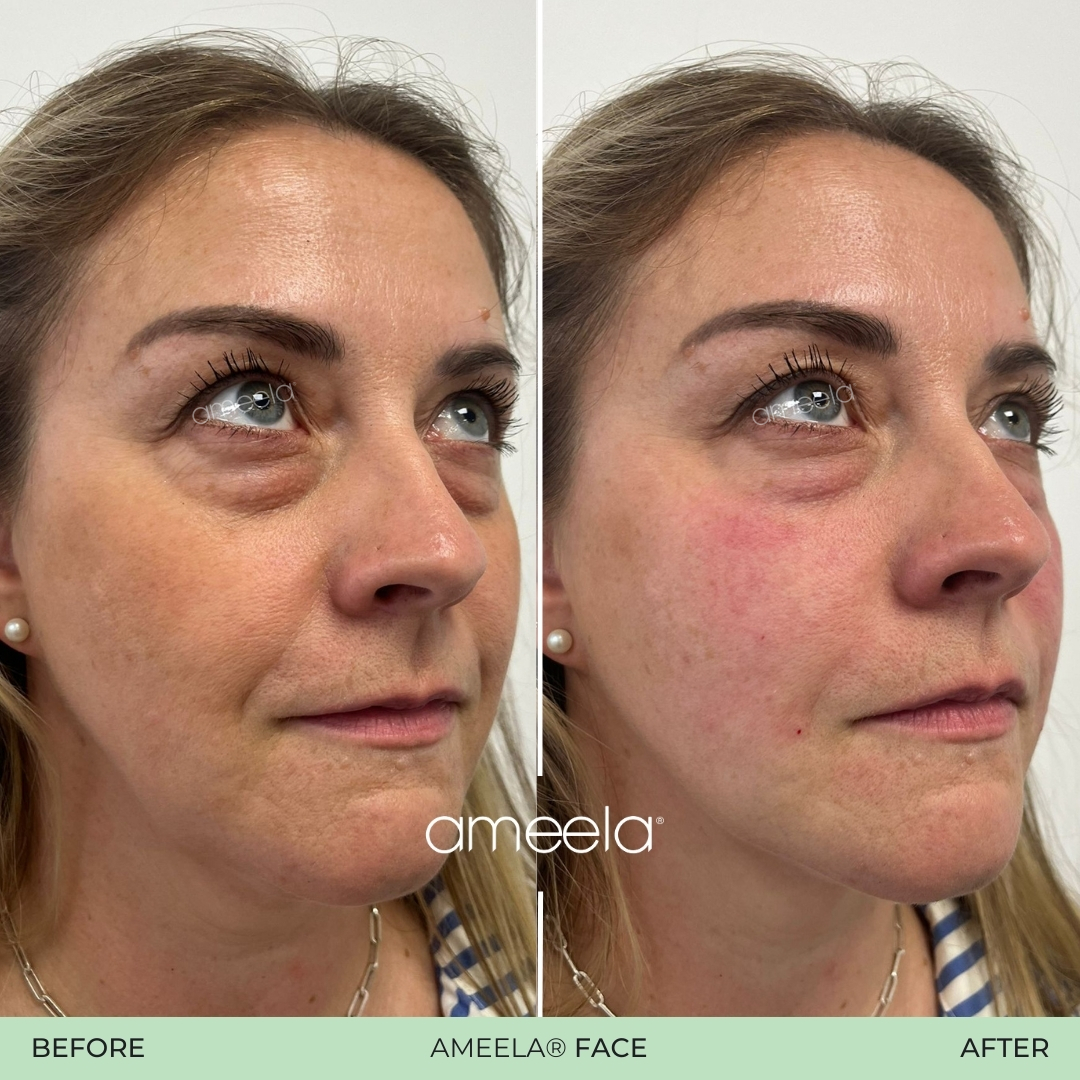
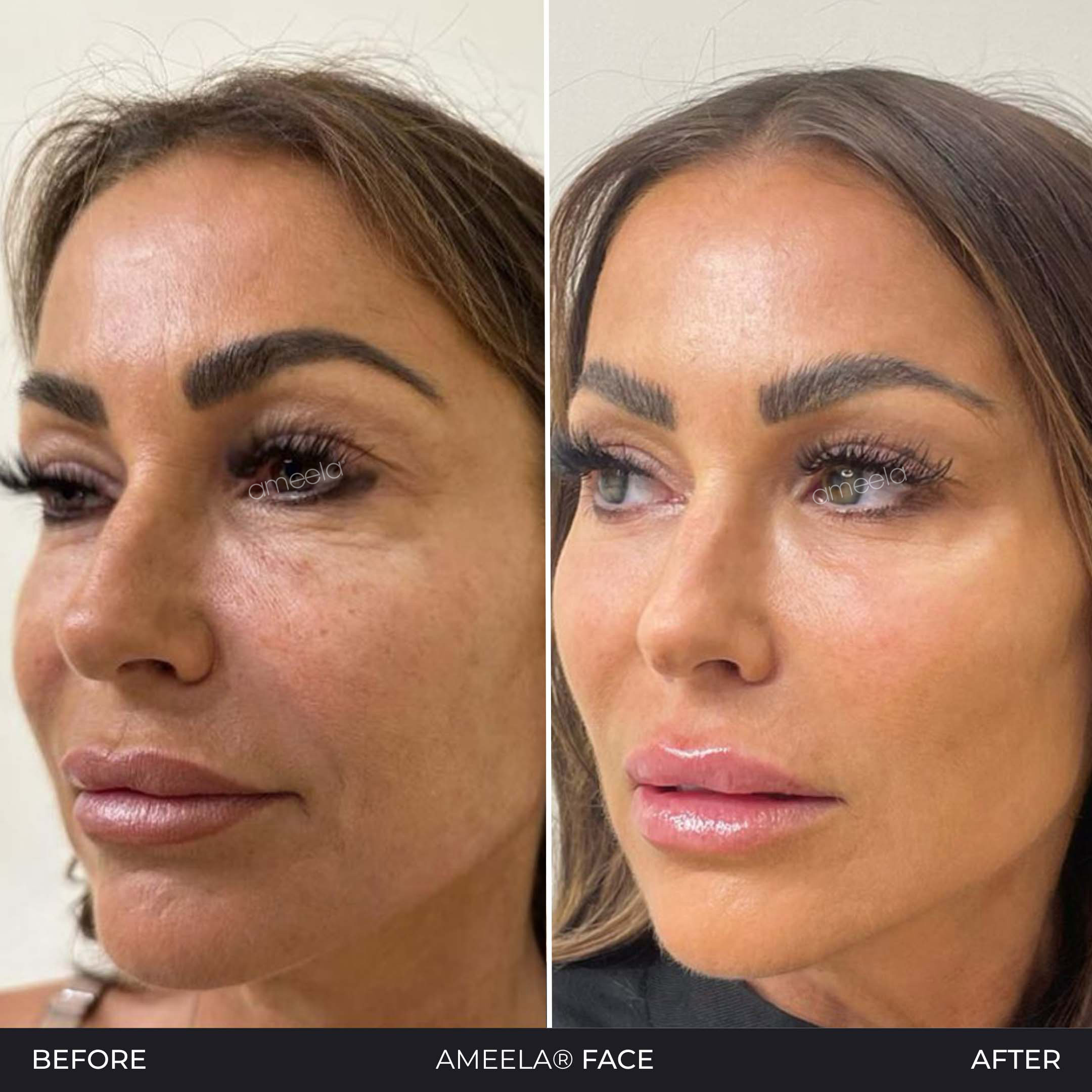
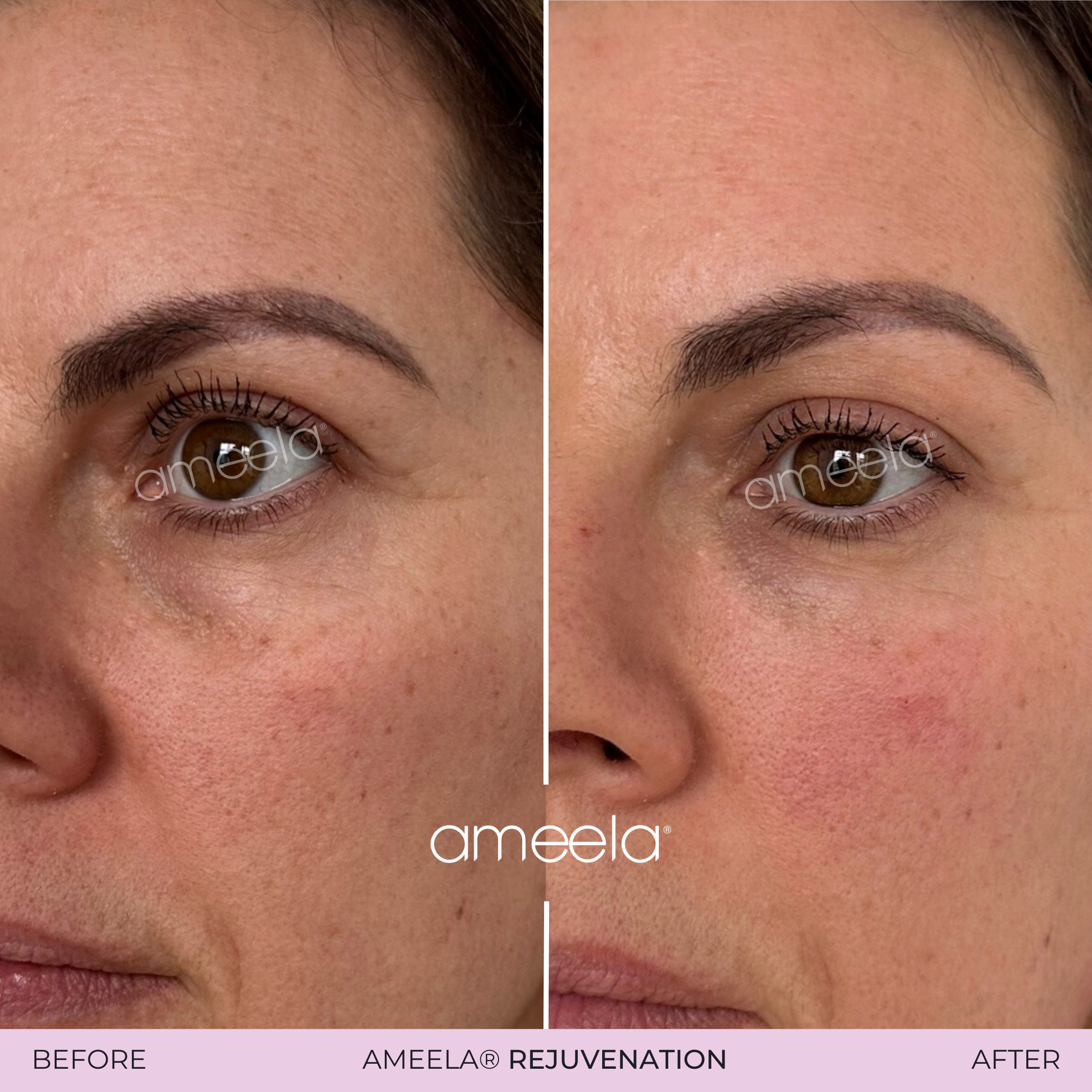
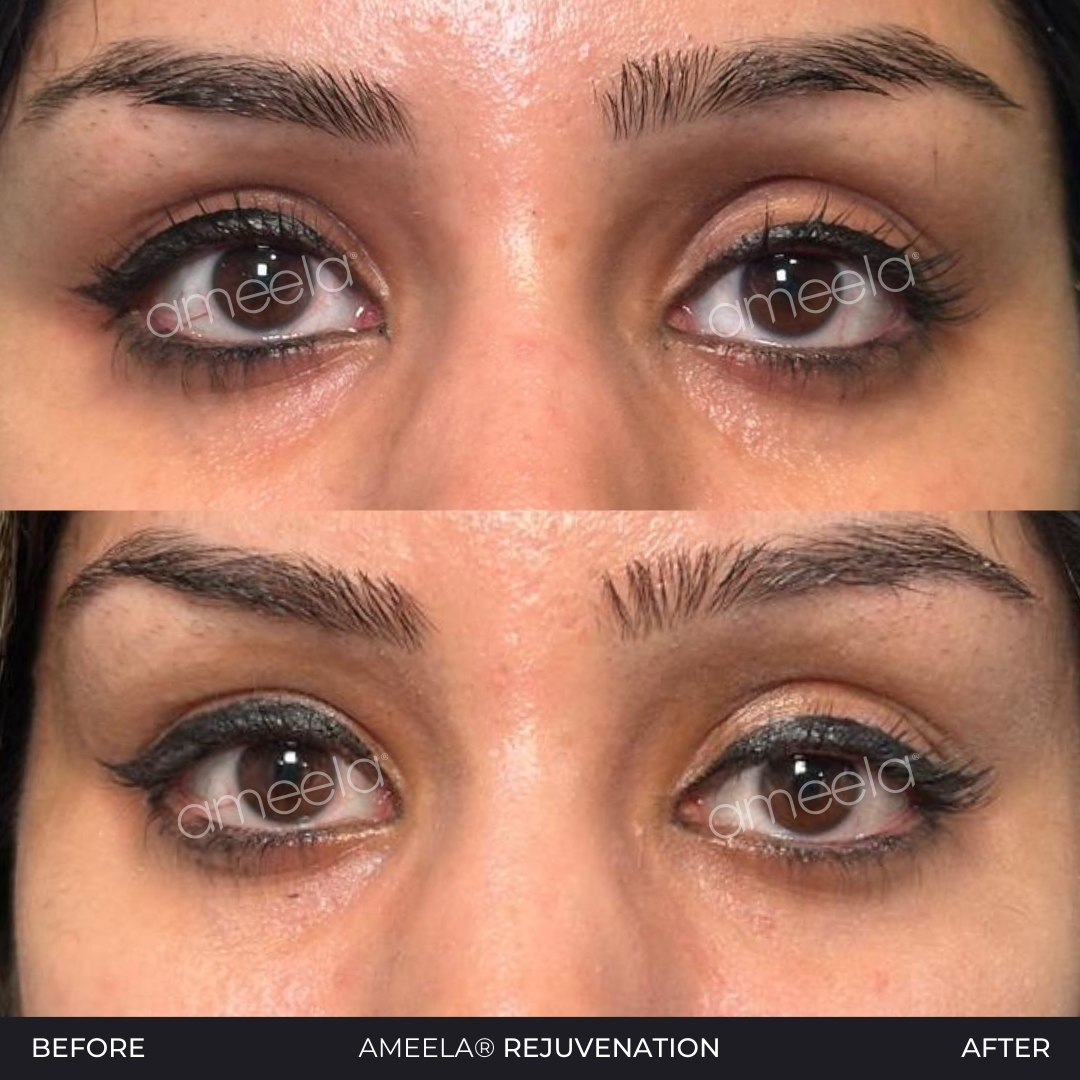
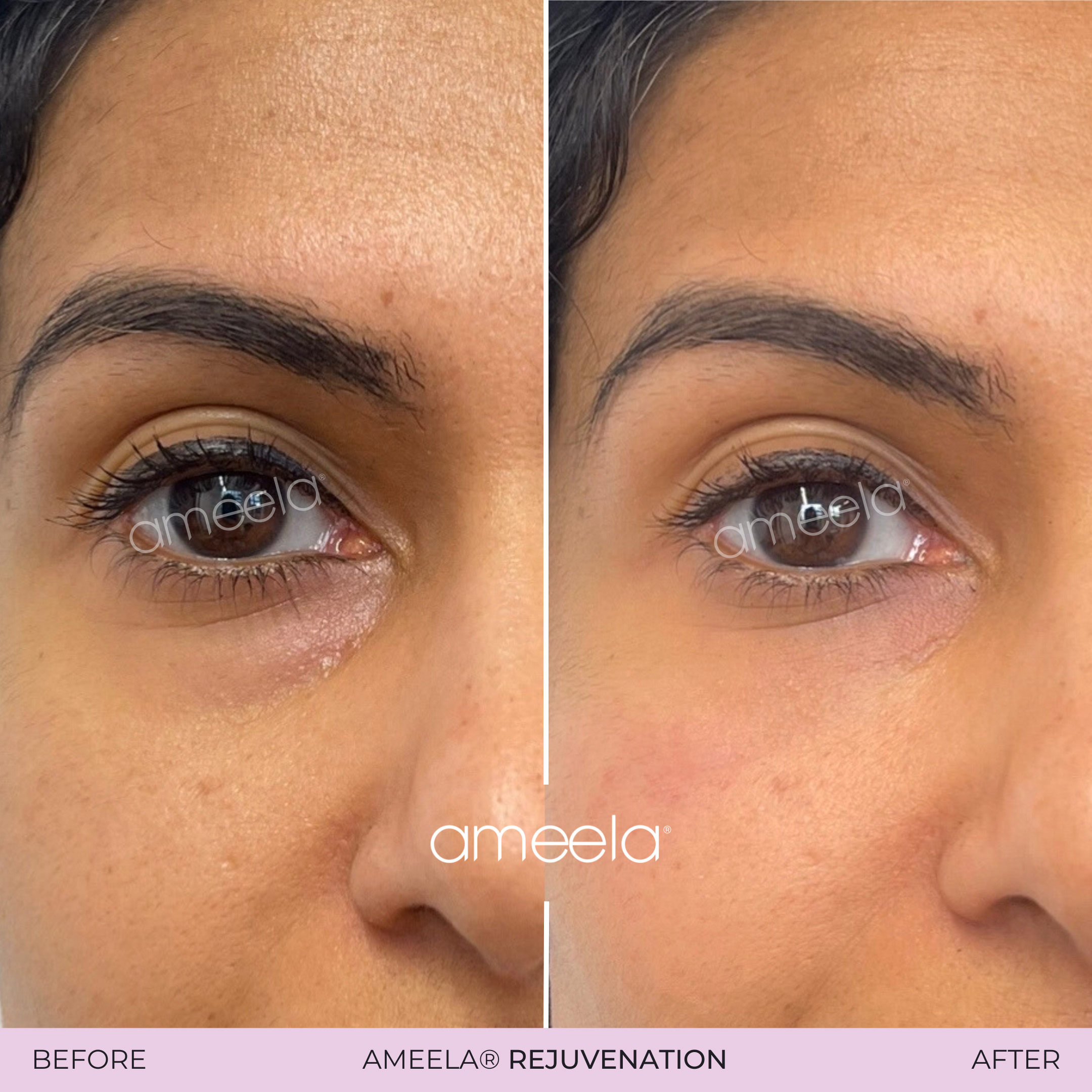
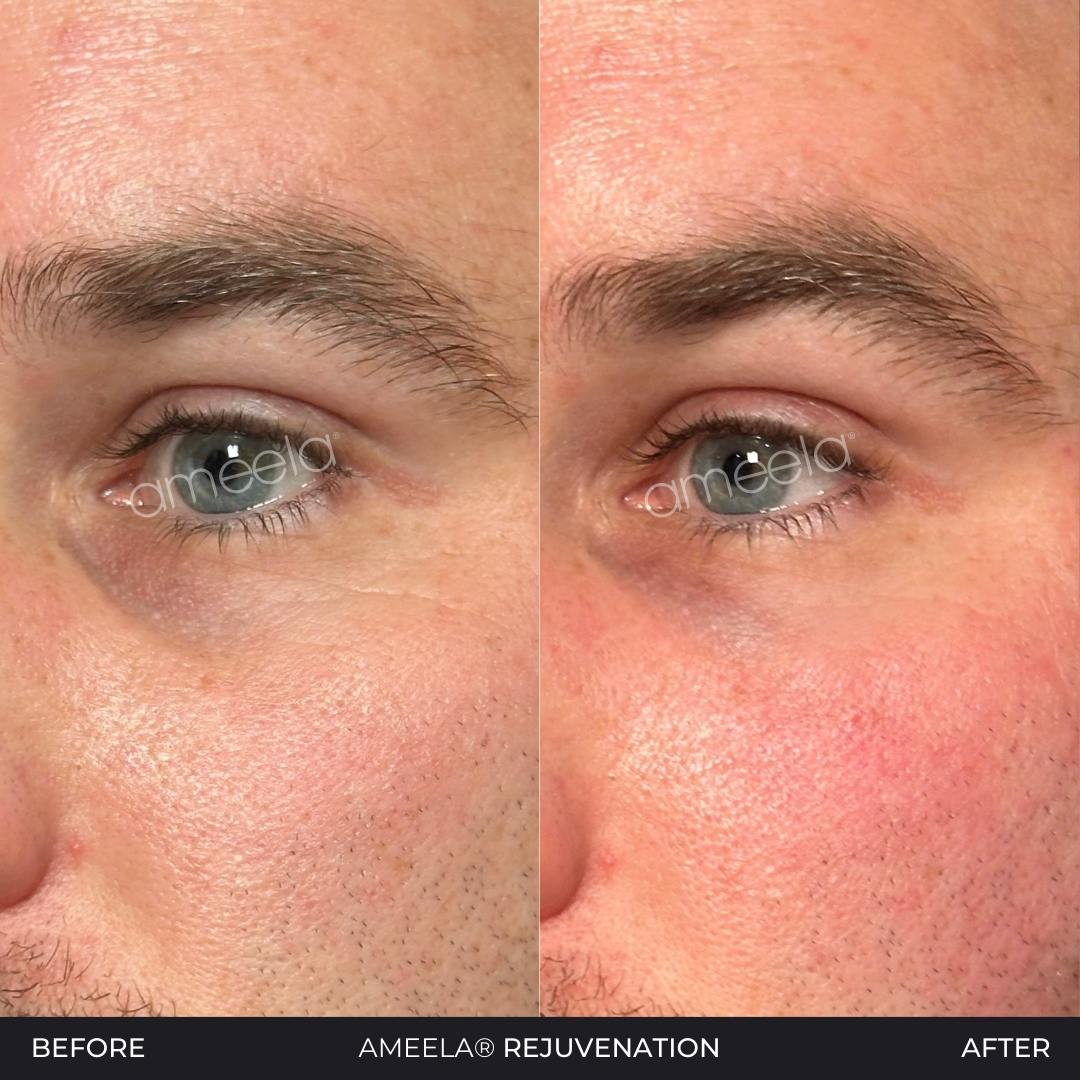
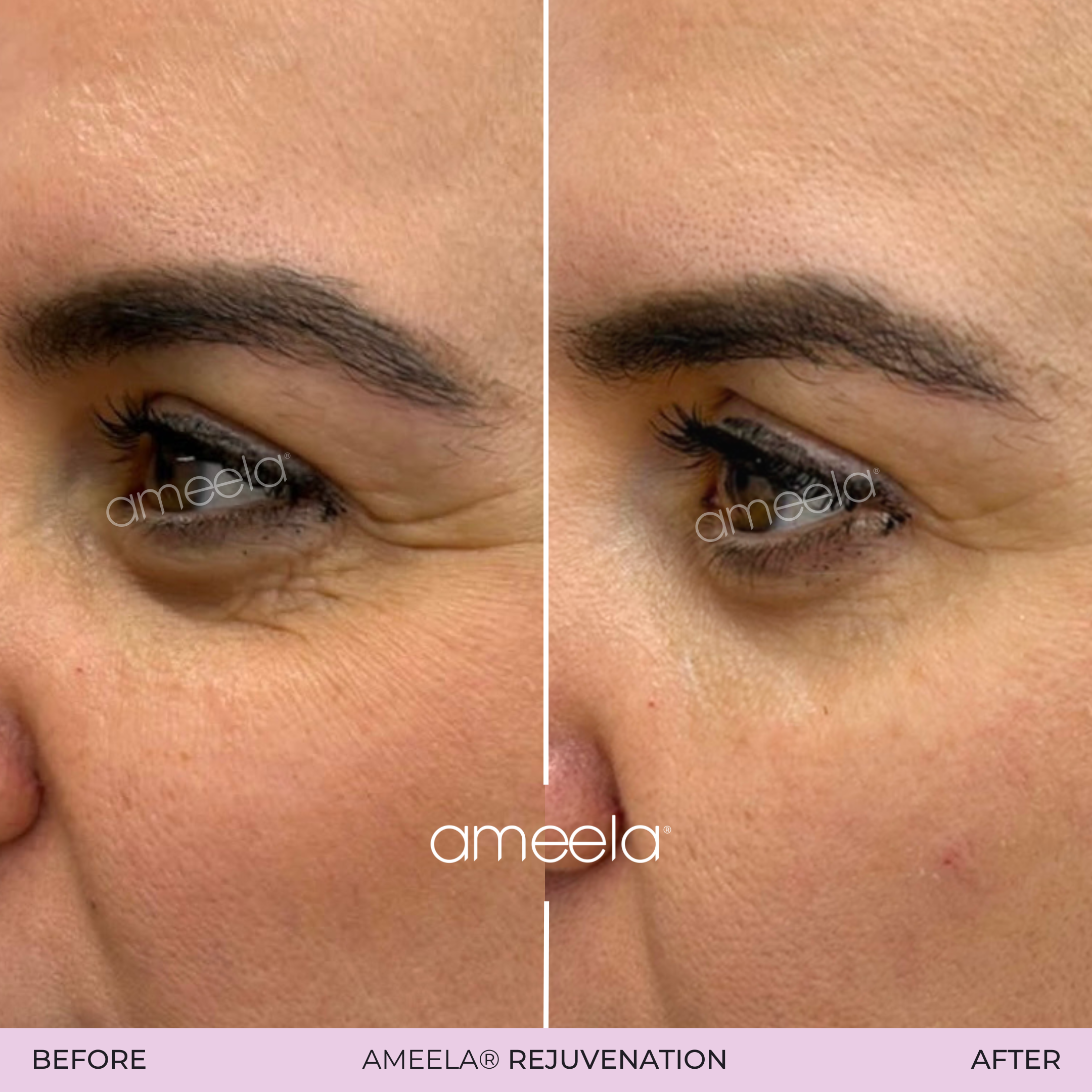
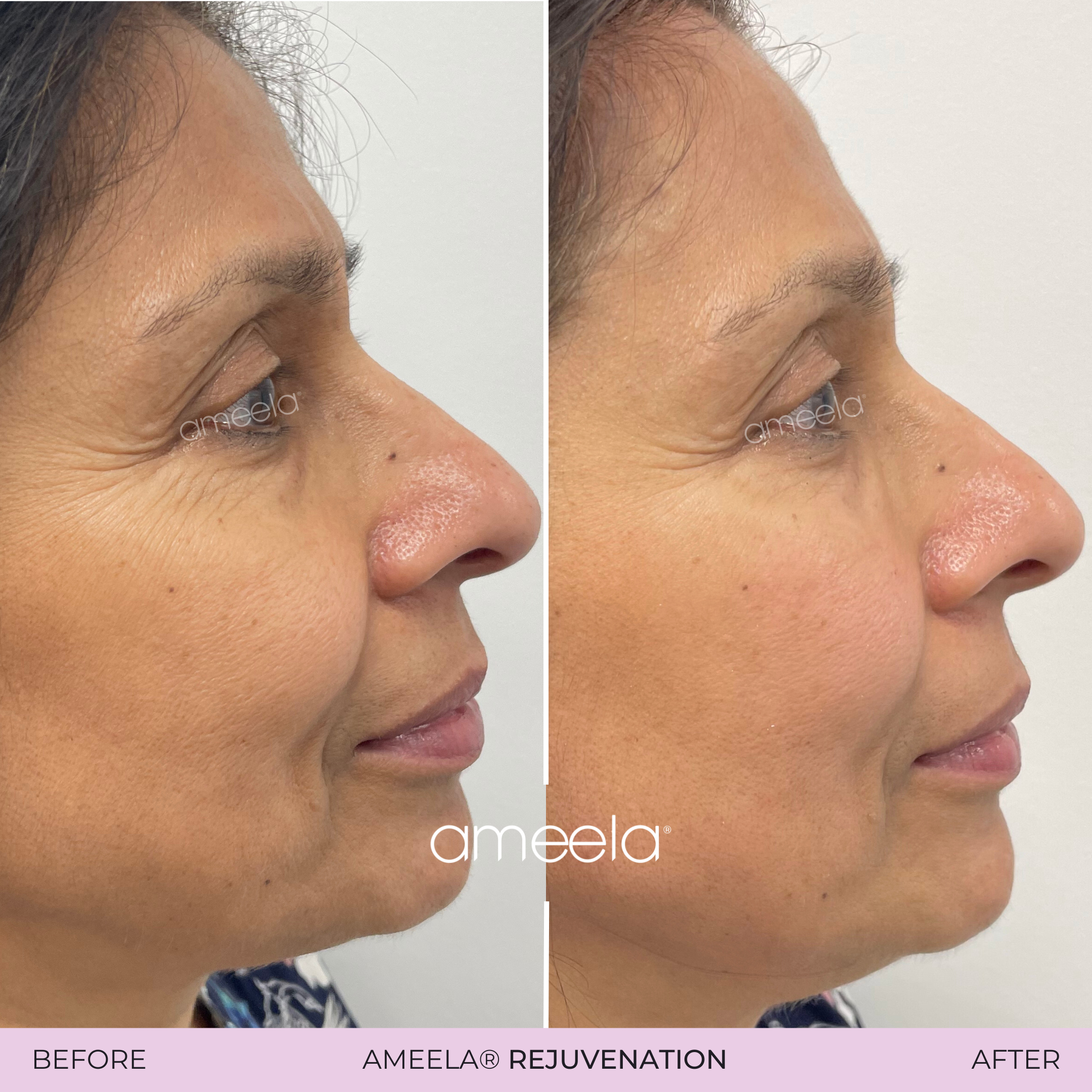
Polynucleotides are one of the most exciting advances in regenerative aesthetics. Unlike traditional fillers that only restore lost volume, polynucleotide injections work at a cellular level to repair, hydrate and strengthen your skin from within. The result? Firmer, smoother, more radiant skin that looks healthy and natural, not overdone.
Written by Dr Thu-Linh Nguyen, Dentist, DipChD Montpellier 2012 GDC: 243269
Medically reviewed by Dr Jules Nabet, Doctor, MD BCAM GMC: 4554558
Published 30 April 2024 · Next review 22 August 2027
Polynucleotides are long chains of nucleotides – the natural building blocks of DNA and RNA. In aesthetics, they are usually derived from purified salmon DNA, chosen for its remarkable biocompatibility with human tissue.
When injected into the skin, polynucleotides work in several ways:
Unlike traditional fillers, which focus on restoring lost volume, polynucleotides target the health and structure of the skin itself. This restorative approach improves tone, texture, and radiance over time, making it an ideal option for patients seeking natural, long-term rejuvenation.
Polynucleotides (PN) are often described as next-generation skin boosters — but they do far more than hydration. Their bioactive properties target the skin at a cellular level, delivering both cosmetic and regenerative benefits.
Together, these actions make polynucleotides a powerful option for comprehensive skin rejuvenation — improving tone, texture, and radiance while building long-term skin health.
Polynucleotide injections can be used almost anywhere skin shows signs of ageing or stress, including delicate regions unsuitable for other injectables:
Polynucleotides are particularly effective in areas where the skin is thin, crepey, or prone to volume loss. Popular treatment zones include the under-eye area, cheeks, neck, décolletage, and even the scalp.
Note: Polynucleotide treatments contain fish-derived ingredients and are not suitable for vegetarians, vegans or individuals with fish allergies. The treatment is not recommended during pregnancy or breastfeeding.
At Omniya Clinic we create a bespoke treatment plan for each patient’s individual skin concerns. Our process is:
Changes in skin quality develop gradually. Early swelling can affect how the treated area looks, so it should not be mistaken for the final result. Your practitioner will review your progress and discuss whether further treatment is appropriate.
Our practitioners will explain the proposed treatment, product and alternatives during your assessment.
varies per patient
A polynucleotide injectable treatment is a regenerative skin booster designed to improve the health and appearance of your skin from within. Polynucleotides are DNA fragments that, when injected, stimulate your skin’s natural repair processes. They encourage collagen and elastin production, enhance hydration, and reduce inflammation — all of which lead to firmer, smoother, and more radiant skin.
Polynucleotides are used with the aim of improving skin quality. The response develops gradually and varies between individuals.
Polynucleotide treatments offer a versatile solution for those seeking to smooth out fine lines and wrinkles, combat early signs of ageing, revive dehydrated skin, correct pigmentation, even out skin texture, or diminish scarring and under-eye concerns such as puffiness and dark circles. To ensure the treatment is tailored to your unique needs, a consultation with your physician is essential to identify the most suitable treatment approach for you.
For more information on whether Polynucleotides are right for you, please review our contraindications, pre- and post- treatment advice page.
A course of two to three sessions, usually spaced 2-3 weeks apart, may be recommended. Your practitioner will confirm the number and spacing for your skin and the product used. Further treatment is discussed after reviewing your response.
The duration of any improvement varies with the product, treatment area and individual response. Further treatment is planned after review rather than guaranteed at a fixed interval.
Suitability is assessed individually. Your practitioner will review your skin, medical history, allergies and previous treatments before recommending whether polynucleotides are appropriate. No injectable treatment is risk-free.
We use Ameela polynucleotide products. Your practitioner will explain which formulation is proposed for your treatment area, its intended use and the relevant precautions. The product choice is based on your assessment, rather than a claim that one brand is best for everyone.
Polynucleotide injections work by activating fibroblasts – the skin cells responsible for producing collagen and elastin. By boosting these structural proteins, the treatment helps firm and strengthen the skin, improving elasticity and resilience. Over time, this reduces the appearance of sagging and creates a more lifted, youthful look.
Sensitive or reactive skin needs an individual assessment. Tell your practitioner about current inflammation, recent reactions and any diagnosed skin condition before treatment.
Yes. Polynucleotide injections can be used under the eyes to refresh tired eyes, reduce dark circles and fine lines for a brighter more youthful look.
Polynucleotides work well with other aesthetic treatments, like dermal fillers. They can help to harmonise the face while refining skin texture and tone.
Polynucleotide treatments support the skin’s natural cell regeneration, to improve texture, resilience and overall skin quality over time.
By stimulating collagen and elastin production polynucleotide injections smoothes out the skin, reduces fine lines and revives dull or rough skin.
Polynucleotide treatments should be performed by an experienced medical professional to get the best results and safety.
Allow for visible redness, swelling or bruising after treatment. Follow the aftercare instructions you are given and discuss work, exercise and upcoming events with your practitioner when planning the appointment.
Polynucleotides and dermal fillers are both popular aesthetic treatments, but they work in very different ways. Dermal fillers are designed to add or restore volume, instantly sculpting and defining facial contours for noticeable results straight after treatment.
Polynucleotides are used with the aim of improving skin quality rather than primarily replacing lost volume. Any change develops gradually over the weeks after treatment and varies between individuals.
In short:
Polynucleotides and Botox are both effective treatments, but they target ageing in very different ways.
In simple terms:
Yes – polynucleotides are often combined with other aesthetic treatments to achieve more comprehensive results. While polynucleotides work to regenerate and improve the quality of your skin, complementary treatments can target specific concerns:
By combining these approaches, you can address multiple aspects of ageing at once – from skin quality and hydration to volume loss and fine lines – for a more balanced, natural-looking outcome.
Profhilo and hyaluronic acid fillers are well-known for adding hydration and volume. Profhilo spreads through the skin to deliver an all-over boost of moisture, while fillers are used to sculpt and restore lost volume.
Polynucleotides work differently. Rather than focusing on plumping, they stimulate tissue repair at a cellular level, encouraging collagen and elastin production. This makes them especially effective for delicate areas, such as around the eyes, or for patients looking for gradual, long-term skin quality improvements rather than temporary fullness.
At Omniya Clinic, we often combine polynucleotides with treatments like Botox, Profhilo, or dermal fillers to create a tailored plan that addresses both immediate concerns and long-term skin health.